Verified growing
Every serious production site needs inspection, suitability checks, and clear crop recommendations before it joins supply.
Urban Farming connects homeowners, growers, inspectors, buyers, and communities into one managed system. A garden is inspected first, matched to the right setup, then managed toward harvests that can feed households, buyers, and eventually entire suburb hubs.
Inspect
every site before productive setup
Match
space, sunlight, water, crop, and bed type
Reward
hosts through produce share or money-back options
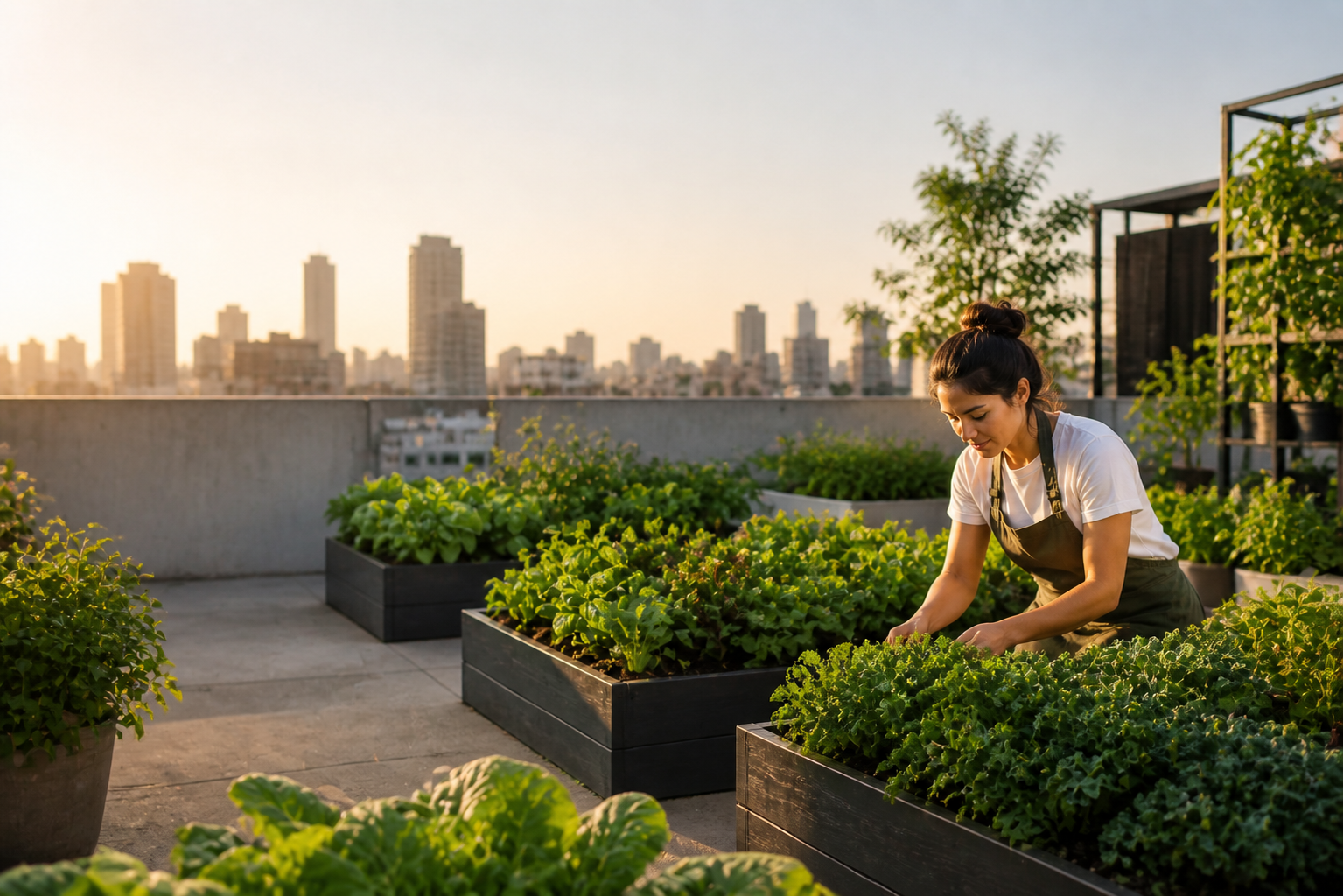
Network goal
More verified gardens create stronger local harvest capacity.
Every serious production site needs inspection, suitability checks, and clear crop recommendations before it joins supply.
The model reduces reliance on long supply routes by growing useful produce closer to the people and buyers who need it.
The more homes in a suburb that participate, the more value the suburb can unlock through local harvest access.
The focus is not decoration. It is productive green infrastructure that can be measured, improved, and expanded.
Why we exist
Cities already have thousands of small spaces that can grow food. The missing part is coordination: knowing which spaces are suitable, what can grow there, who manages it, how harvests are measured, and how value flows back to the people and communities that participate.
Step 01
The platform captures the proposed space, garden type, location, and intended growing use so the site can be assessed properly.
Step 02
Sunlight, water access, usable area, risks, infrastructure, and crop fit are checked before the site is approved for production.
Step 03
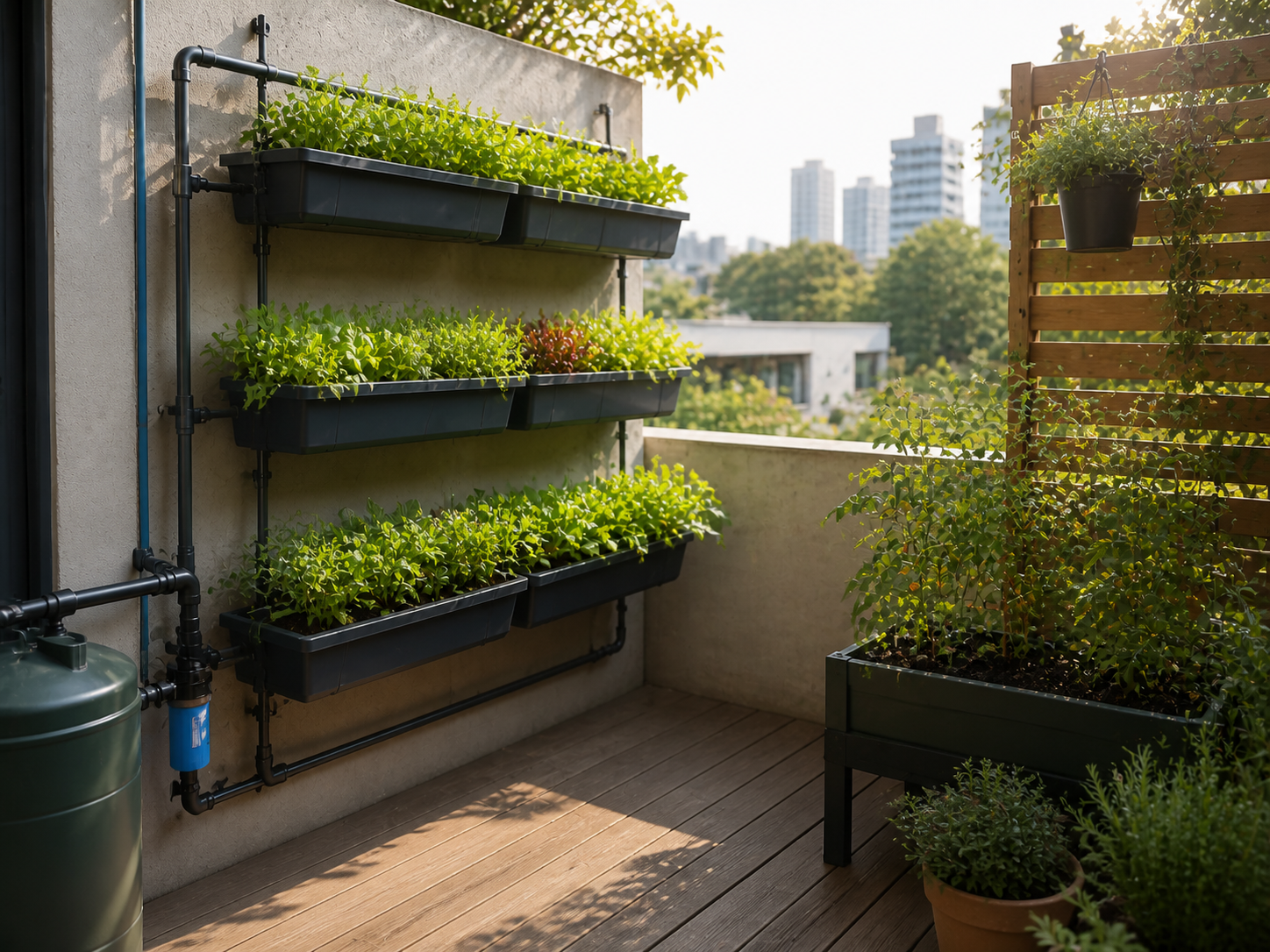
The site is matched to raised beds, vertical systems, crop plans, and harvest expectations that suit the actual conditions.
Step 04
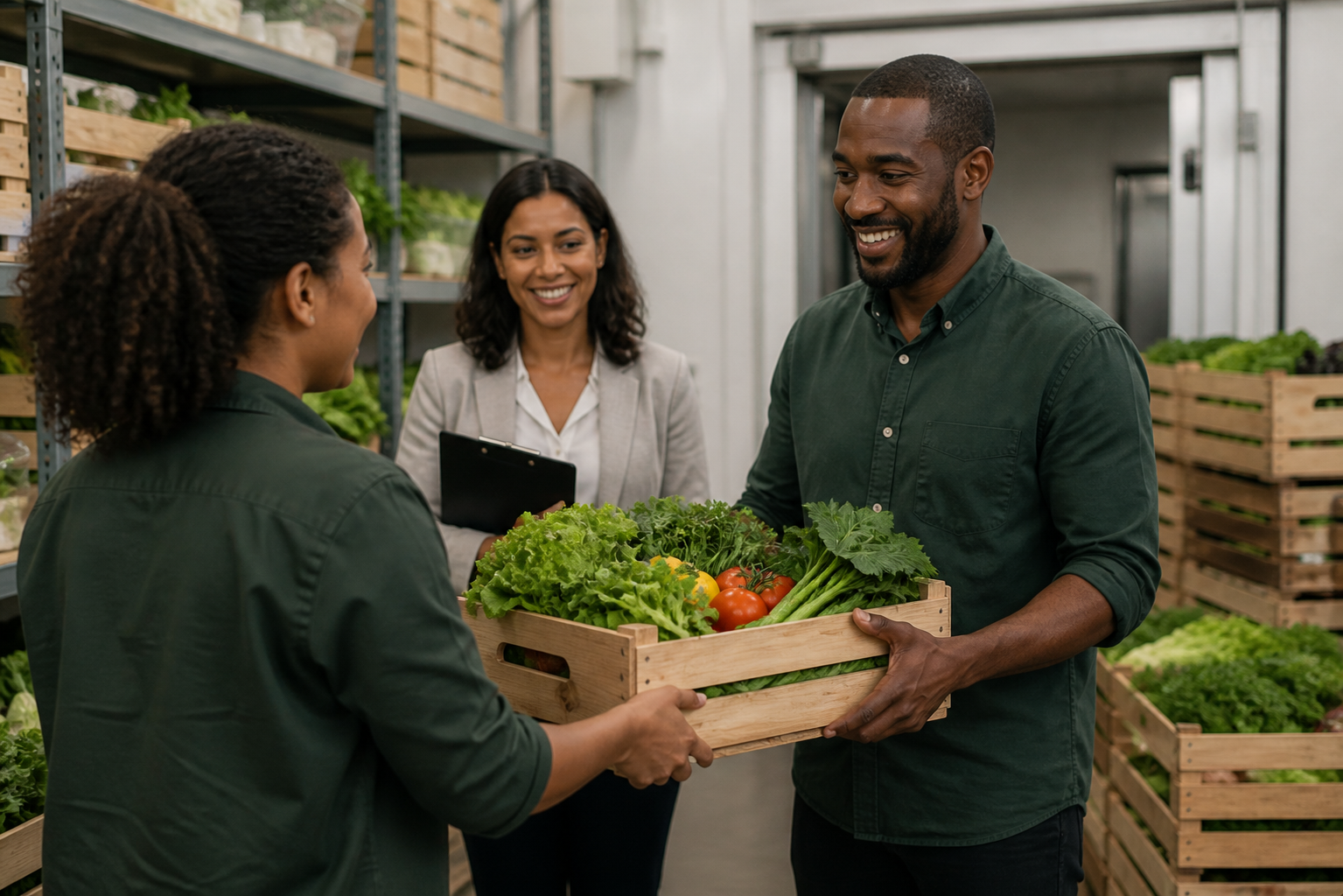
Hosts can apply for a share of produce or money-back participation, while larger output can feed buyers and community programs.
How participation works
People can sign up with any size space, but the platform needs a clear operational standard before produce can be sold or shared. The inspection step protects the grower, the buyer, and the community by confirming that the site can support the crops and setup being proposed.
Submit the garden, balcony, courtyard, or available growing space.
Confirm if the space can grow sustainably and what setup is realistic.
Join the managed network once the site can contribute useful output.
Space ordinance
The platform should accept many urban spaces, but production rights must be earned. Inspection decides whether a site is for learning, contribution, payout, or not viable yet.
Every space can apply, but every space does not receive the same production rights.
Inspection classifies the space as learning, contributing, productive, or not viable yet.
Community supply and payout only unlock after verified harvest history and quality checks.
Suburb hub status depends on many inspected spaces producing together, not a single household.
Rooftop
High-light production node when access, wind, load, and water are safe.
Raised beds, grow bags, drip irrigation, wind protection, and lightweight growing media.
Balcony
Compact household growing space for herbs, leafy greens, and small fruiting crops.
Containers, railing planters, vertical racks, compact trellis systems, and drip trays.
Patio / Terrace
Flexible container or modular-bed space close to household water and access.
Containers, modular beds, wicking boxes, vertical towers, and movable planters.
Courtyard
Protected micro-climate for shade-tolerant crops and structured container production.
Raised containers, vertical walls, leafy-green beds, herbs, and airflow-conscious layouts.
Backyard
Primary household production space with room for meaningful crop rotation.
Raised beds, soil plots, composting, drip irrigation, crop rotation, and seasonal planning.
Front Yard
Visible productive garden that can also build suburb participation and awareness.
Neat raised beds, edible landscaping, low-profile crops, herbs, and clear access paths.
The roles
Urban Farming works because every participant has a clear responsibility, from hosting space to validating sites, managing operations, buying harvests, and building suburb-level momentum.
Provide suitable space and participate in the growing network through produce share, earnings, or community contribution.
Validate sites, document risks, recommend crops, and protect the quality of the network before production starts.
Coordinate installations, requests, harvests, logistics, and the operational health of the Urban Farming network.
Access local produce through marketplace supply today and suburb-level community benefits as density grows.
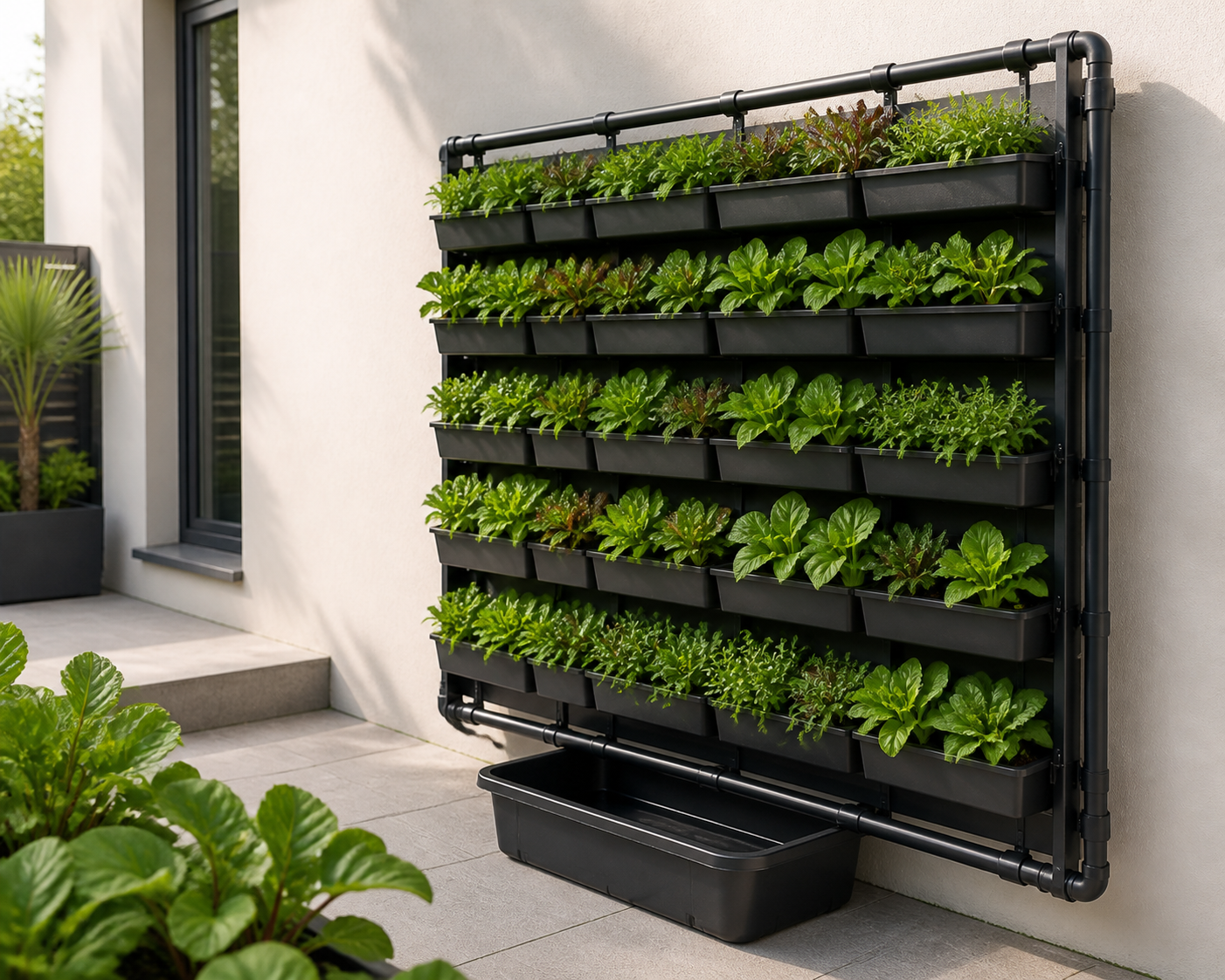
Rooftops, homes, and shared spaces can become part of a distributed farm when they are managed as one system.
Not every space needs the same solution. Vertical, raised, and modular systems should follow site conditions.
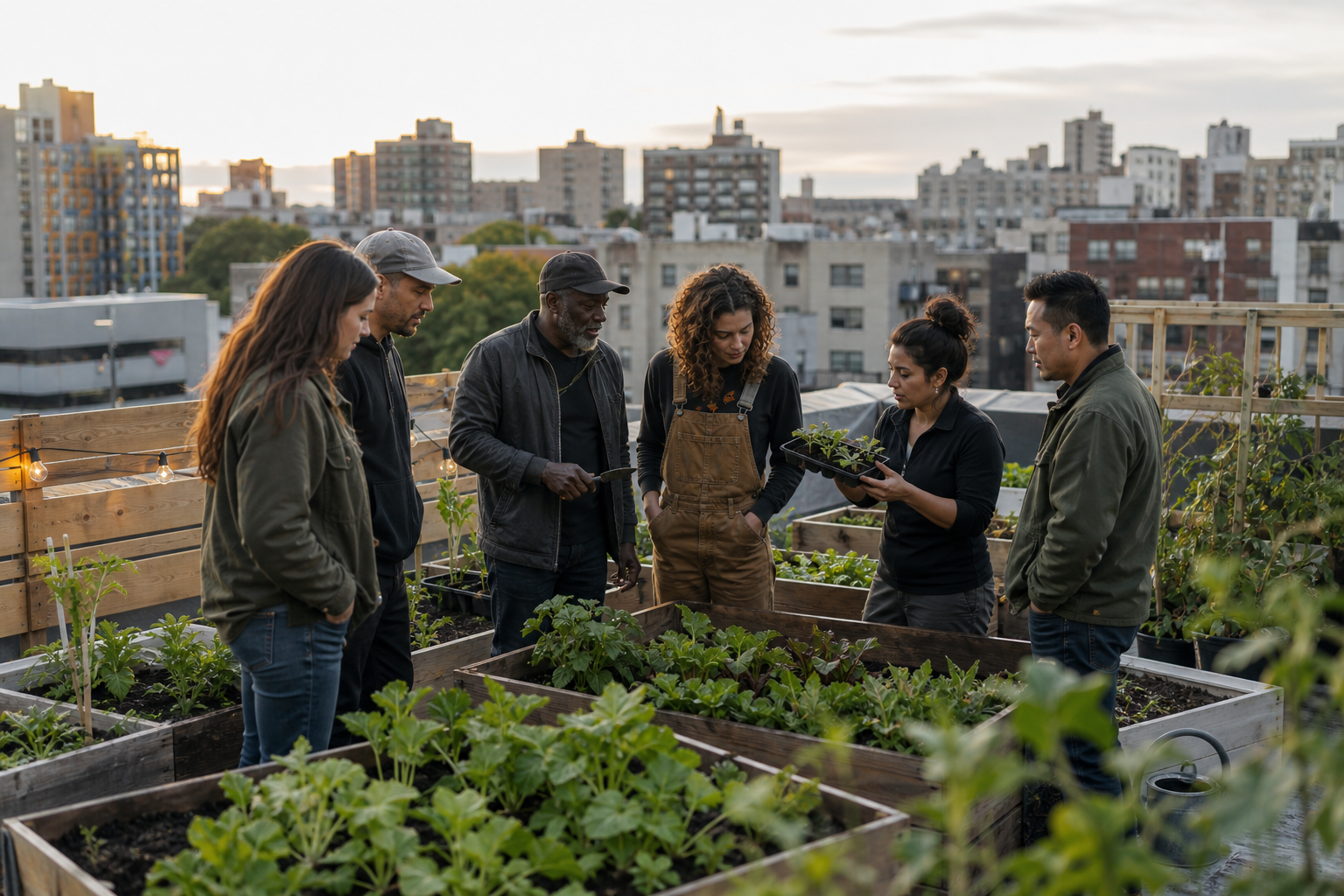
When enough gardens participate in one suburb, the network can support locked community access and local harvest benefits.
Build the network
The strongest version of Urban Farming is a density play: many small verified gardens in one area, coordinated into a local food system people can trust.