Turn a suburb into a self-sustaining food community.
A community is not just a chat group. It is a suburb-level growing network. When enough homes, gardens, and growers in one suburb participate, that suburb can become a local food hub with its own private community and shared harvest benefits.
When the suburb grows enough, local harvests can flow back to local members.
Suburb Identity
Each community is tied to a real place, like Mountainside, so value is built locally.
Garden Density
Homes, yards, balconies, and shared plots create enough growing capacity to matter.
Hub Threshold
Participation, crop output, and active members determine when a suburb becomes a hub.
Locked Community
Qualified hubs can unlock private access to local produce, updates, and coordination.
Space ordinance
Each space type has its own production rules.
The community model works only if every garden is classified honestly. A balcony, rooftop, backyard, windowsill, and shared plot should not be promised the same outcome. Each space earns rights through inspection, crop fit, and verified harvests.
Every space can apply, but every space does not receive the same production rights.
Inspection classifies the space as learning, contributing, productive, or not viable yet.
Community supply and payout only unlock after verified harvest history and quality checks.
Suburb hub status depends on many inspected spaces producing together, not a single household.
Rooftop
High-light production node when access, wind, load, and water are safe.
Inspection focus
Load safety, wind exposure, waterproofing, access control, drainage, and irrigation.
Gate: Can reach contribution or payout status after harvest history confirms reliable output.
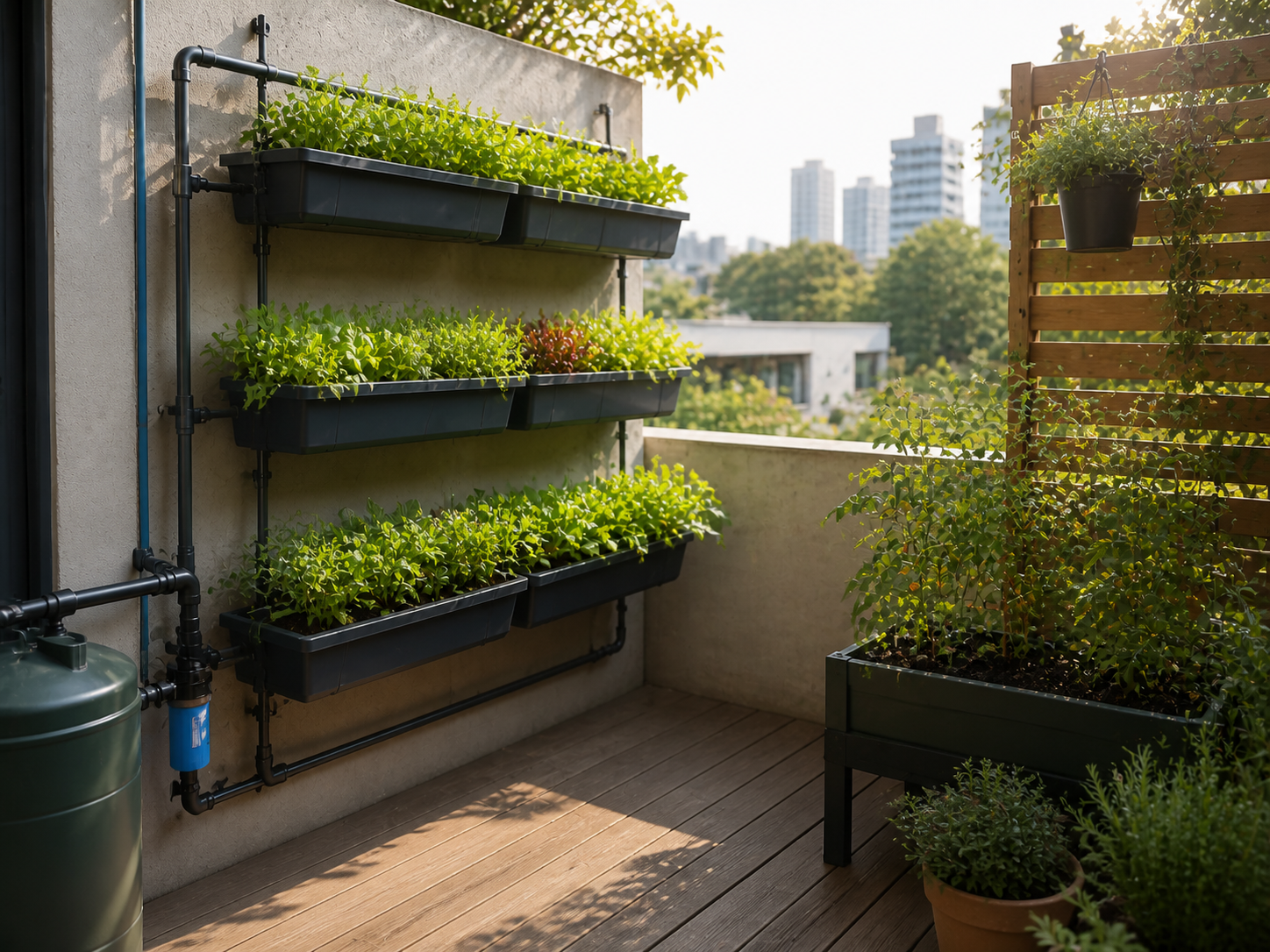
Balcony
Compact household growing space for herbs, leafy greens, and small fruiting crops.
Inspection focus
Weight limits, railing safety, sun hours, runoff control, neighbor impact, and wind.
Gate: Usually starts as learning or percentage-back, with contribution only after proven surplus.
Patio / Terrace
Flexible container or modular-bed space close to household water and access.
Inspection focus
Sun path, usable floor area, drainage, water access, pests, and pedestrian flow.
Gate: Can move from learning to contribution when harvests become consistent.
Courtyard
Protected micro-climate for shade-tolerant crops and structured container production.
Inspection focus
Partial shade, airflow, humidity, pest pressure, water access, and wall heat.
Gate: Best suited to learning or percentage-back unless sunlight supports repeat surplus.
Backyard
Primary household production space with room for meaningful crop rotation.
Inspection focus
Soil health, contamination risk, sun hours, irrigation, pests, pets, and secure access.
Gate: Strong candidate for contribution, hybrid, or payout status after quality checks.
Front Yard
Visible productive garden that can also build suburb participation and awareness.
Inspection focus
Municipal visibility, pedestrian safety, boundary lines, theft risk, water, and crop fit.
Gate: Usually learning or contribution; payout depends on area, protection, and harvest consistency.
Indoor
Controlled small-scale growing for herbs, seedlings, microgreens, or assisted-light crops.
Inspection focus
Light levels, ventilation, humidity, electricity safety, water handling, and hygiene.
Gate: Learning or specialist contribution only; production status needs strict consistency.
Windowsill
Entry-level growing space for education, herbs, and seedlings.
Inspection focus
Light direction, heat stress, pot stability, watering practicality, and safe placement.
Gate: Learning garden only; not suitable for community supply or payout without expansion.
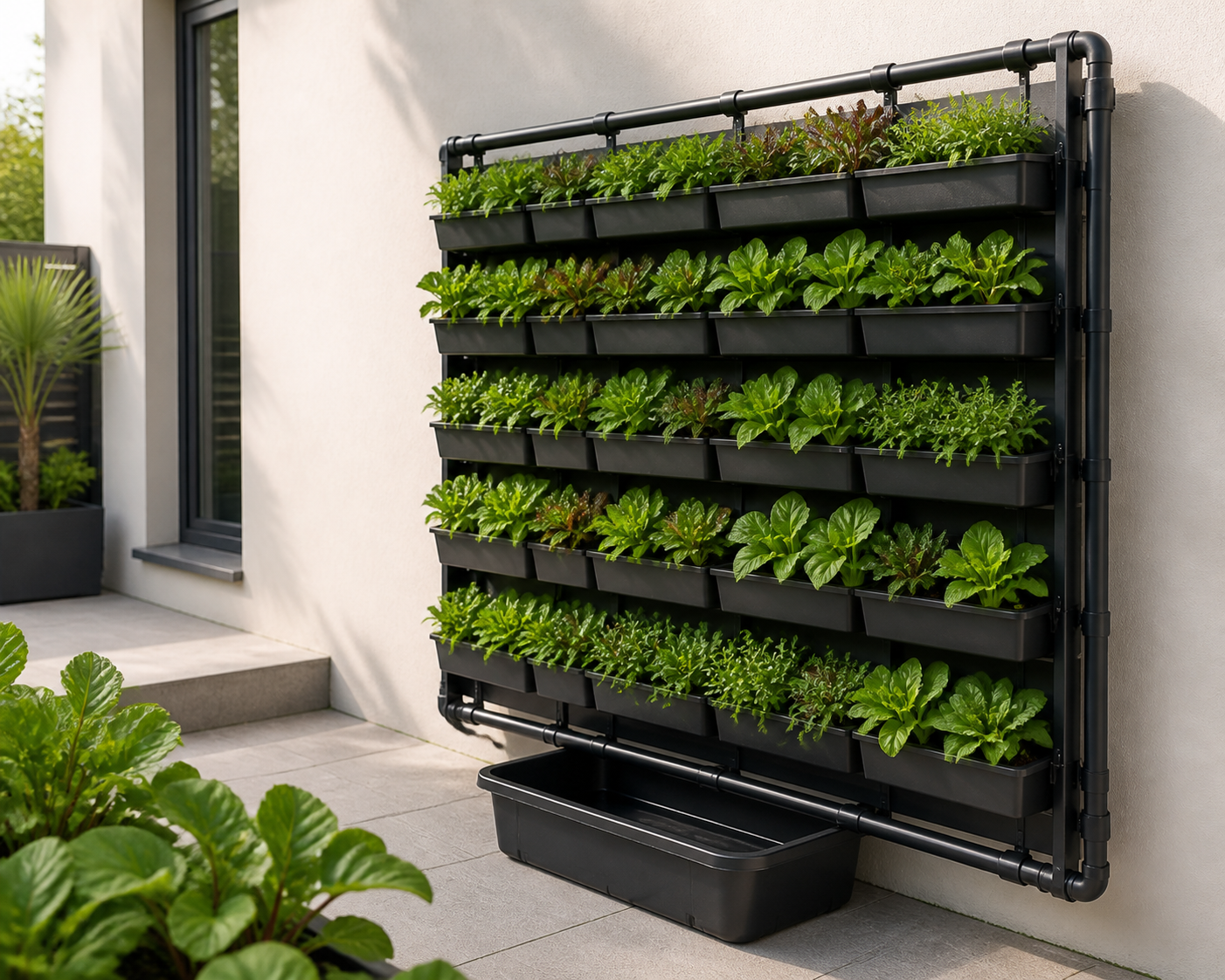
Vertical Wall
Space-efficient growing surface for herbs, leafy crops, and high-density small plants.
Inspection focus
Wall strength, water runoff, maintenance access, light, irrigation, and root containment.
Gate: Learning or contribution depending on size, crop type, and repeat harvest records.
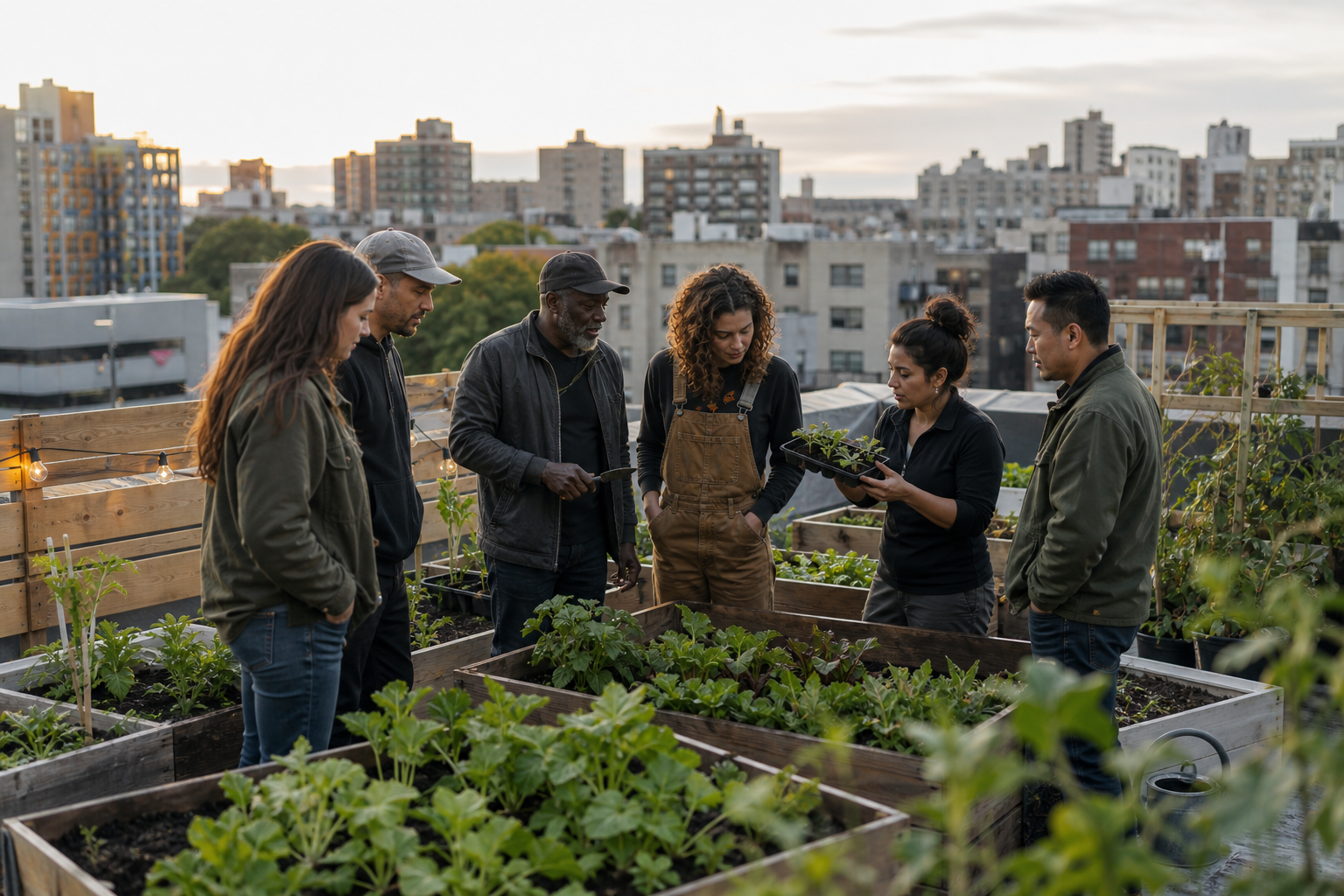
Community Plot
Shared growing area that can support education, coordination, and suburb hub density.
Inspection focus
Governance, access rules, water rights, tool storage, soil condition, and shared duties.
Gate: Can become a hub contribution asset when governance and harvest records are clear.
Allotment
Assigned plot with enough structure for planned crops and individual accountability.
Inspection focus
Plot size, water access, soil quality, user responsibility, security, and crop rotation.
Gate: Good candidate for contribution or payout once outputs and quality are verified.
Other
Non-standard space that must be assessed before any production promise is made.
Inspection focus
Site-specific safety, access, water, sunlight, structure, contamination, and crop fit.
Gate: No benefit gate until inspection assigns a viable class.
The principle
A suburb becomes valuable when it grows as one coordinated system.
Urban Farming should reward density. If Mountainside, for example, has enough active hosts, gardens, growers, and harvest output, it can become a recognized hub. That unlocks a private community layer where members can access produce grown inside their own suburb.
Define each community around a real suburb, not a broad anonymous audience
Measure participation, active gardens, harvest output, and local demand
Unlock private suburb communities only when the hub is strong enough
Let mature hubs share local produce back into the community as an incentive
Stage 1
Map the suburb
Start with a defined suburb boundary, identify participating homes, available spaces, and early growers.
Seed community
Stage 2
Build garden density
Increase the number of productive gardens until the suburb has meaningful growing capacity.
Growing hub
Stage 3
Unlock the private hub
Once the suburb reaches the threshold, members can access a locked community and local produce benefits.
Hub unlock
Built for suburb-level momentum
From individual gardens to a locked local food circle.
The incentive is simple: the more of a suburb that participates, the more value the suburb can keep for itself. A mature hub can support member-only access to produce, neighborhood harvest drops, and practical growing support for that local community.
1
Join
Residents, hosts, and growers attach themselves to their real suburb community.
2
Grow
The suburb increases active beds, crop diversity, and harvest consistency.
3
Unlock
A mature hub earns private community access and shared local produce benefits.