Plant Care learning category
Keep crops alive

Plant Care

Care guidance that helps growers avoid avoidable crop loss. This should become the day-to-day support layer for approved growing spaces.

Resource pathway

Start free. Upgrade when the garden needs a system.

Free basics

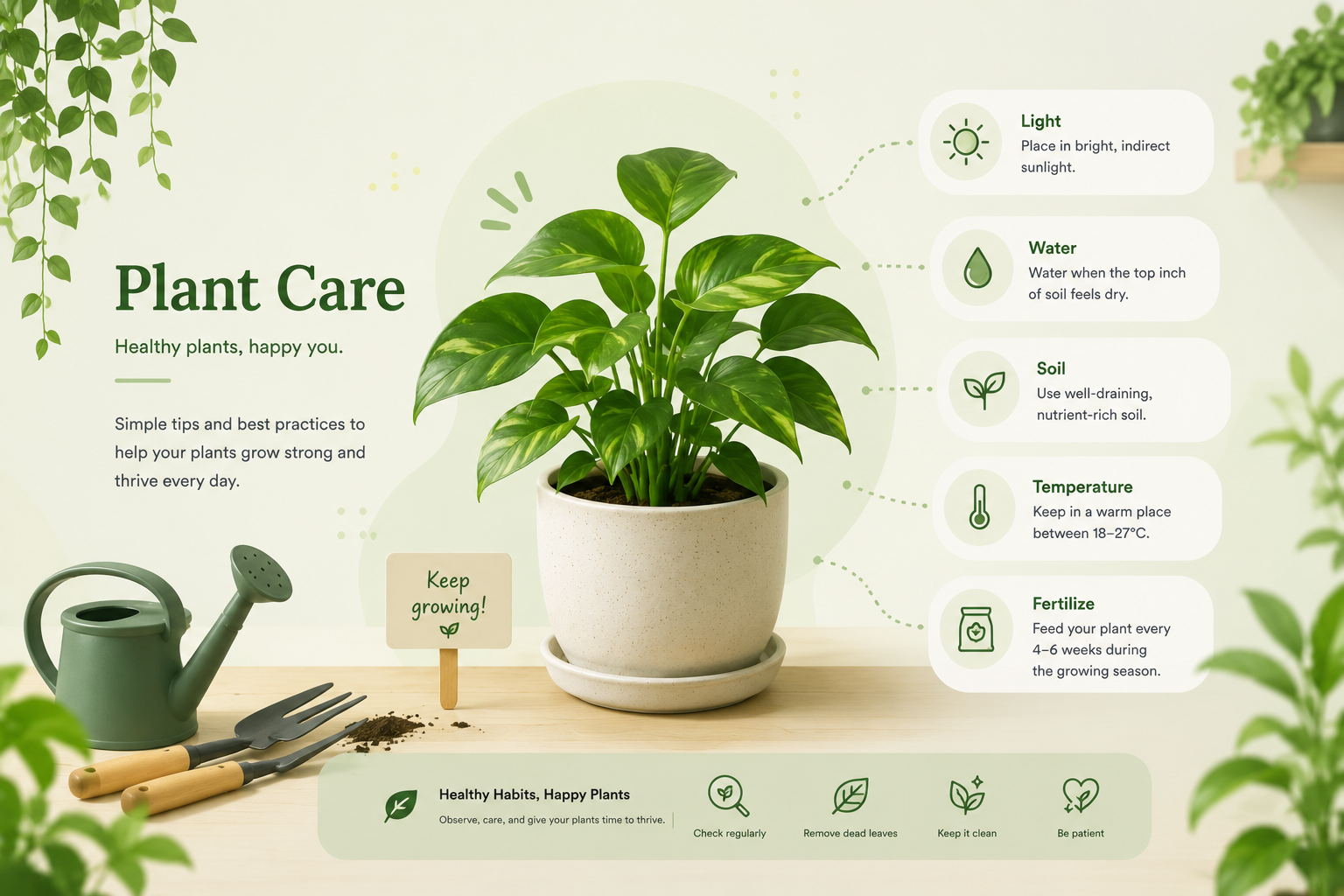
Free care notes cover watering, sunlight, feeding, and common beginner mistakes.

Use free resources

Paid deeper guides

Paid care plans provide crop-specific routines, diagnostics, and seasonal recovery steps.

Unlock premium

How this section should work

Free content builds trust and helps beginners move. Premium content should be structured, branded, downloadable, and valuable enough for growers or hubs that want repeatable results.

Care rhythm

Daily check, weekly record, seasonal reset.

Observe

Keep plant health visible before problems become crop loss.

Record

Keep plant health visible before problems become crop loss.

Adjust

Keep plant health visible before problems become crop loss.

Urban Farming branded article

Plant Care: practical operating guide

This is the first branded guide body for this category. It gives the user useful guidance now, while the premium items above define what can become paid content.

Back to resources
1

Care starts with observation

Most beginner plant problems become serious because they are spotted too late. A simple daily check is enough: look at the leaves, feel the top layer of soil, check that water drains, and notice whether the plant is stretching, wilting, yellowing, or being eaten.

  • Wilting can mean too little water, too much water, heat stress, or root problems, so do not guess from one symptom.
  • Yellow leaves can point to watering issues, nutrient shortage, poor light, or natural leaf aging.
  • Weekly photos help growers and inspectors compare progress instead of relying on memory.
2

Match care to the crop type

Leafy crops, root crops, herbs, and fruiting crops behave differently. Leafy greens usually need steady moisture and regular harvesting. Fruiting crops such as tomatoes and peppers need more light, stronger feeding, and better support. Herbs often prefer less fuss and better drainage.

  • Leafy greens are strong starter crops for new growers and compact spaces.
  • Fruit-bearing crops need more sun and should not be the default for shaded balconies.
  • Root crops need correct spacing because overcrowding reduces usable harvest.
3

When care should become structured

Once a grower is approved for community or buyer supply, care cannot be casual. The platform needs routines: watering schedule, feeding notes, pest checks, harvest logs, and alerts when crop health drops. This is where premium crop calendars and diagnostics create real value.

  • Use free care guides to teach good habits.
  • Use paid crop calendars when the grower needs predictable production.
  • Connect care logs to inspection and buyer-readiness later.

Next action

Put the guide into practice before scaling.

Start with the free basics, use the calculators and templates where relevant, then move into premium resources only when the space is ready for a repeatable growing system.