Inspected supply
Buyer trust starts upstream with site checks, crop fit, and operational standards before gardens supply the network.
Urban Farming gives buyers one place to discover local produce, understand where it comes from, and pre-order supply from inspected gardens. The buyer experience is designed for households, restaurants, retailers, and community programs that want fresher food with clearer local traceability.
Scroll to see how buyer supply worksBrowse
local harvests from inspected gardens
Pre-order
planned supply before harvest day
Trace
produce back to the growing network
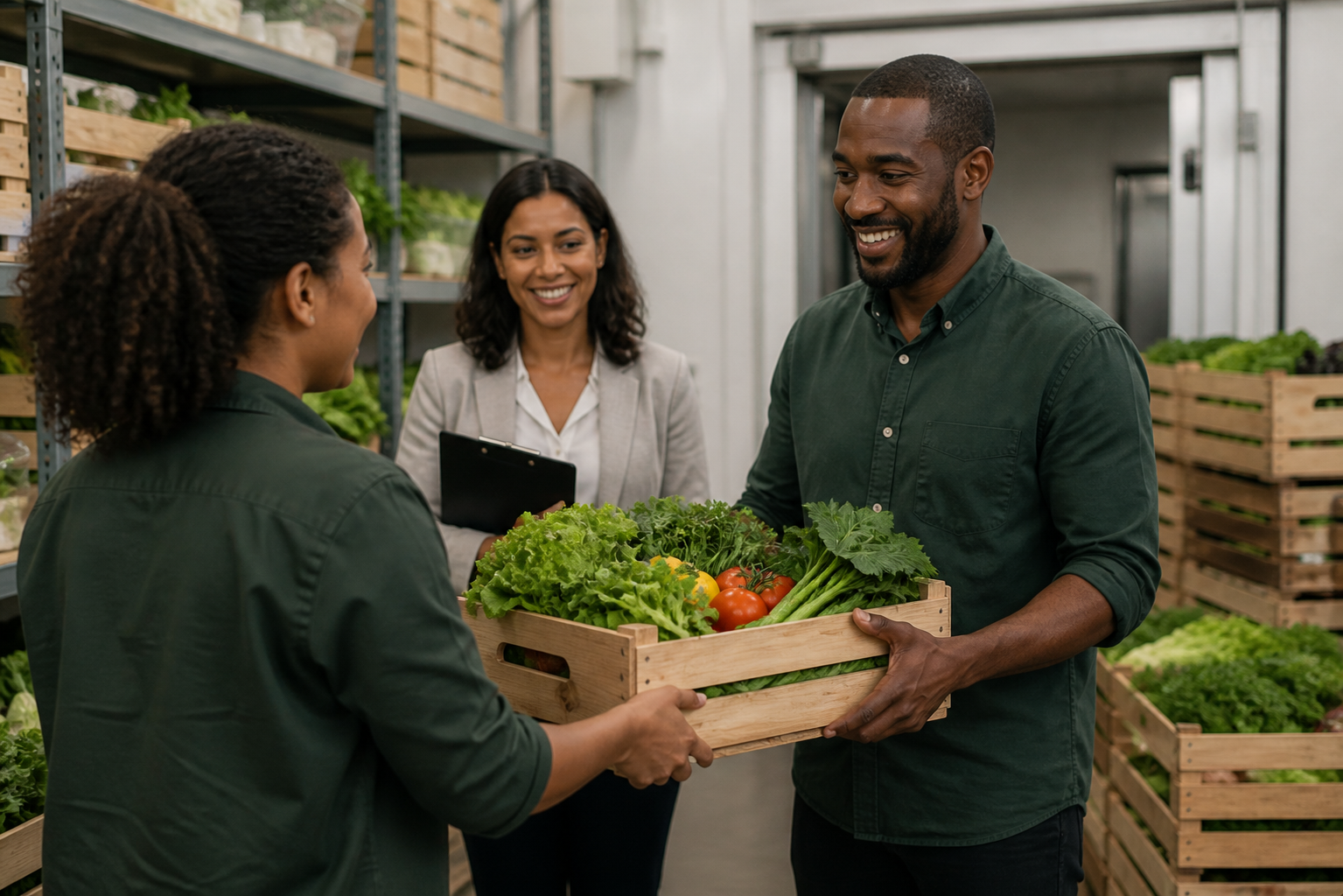
Buyer goal
Fresher local produce without managing dozens of individual growers.
Buyer trust starts upstream with site checks, crop fit, and operational standards before gardens supply the network.
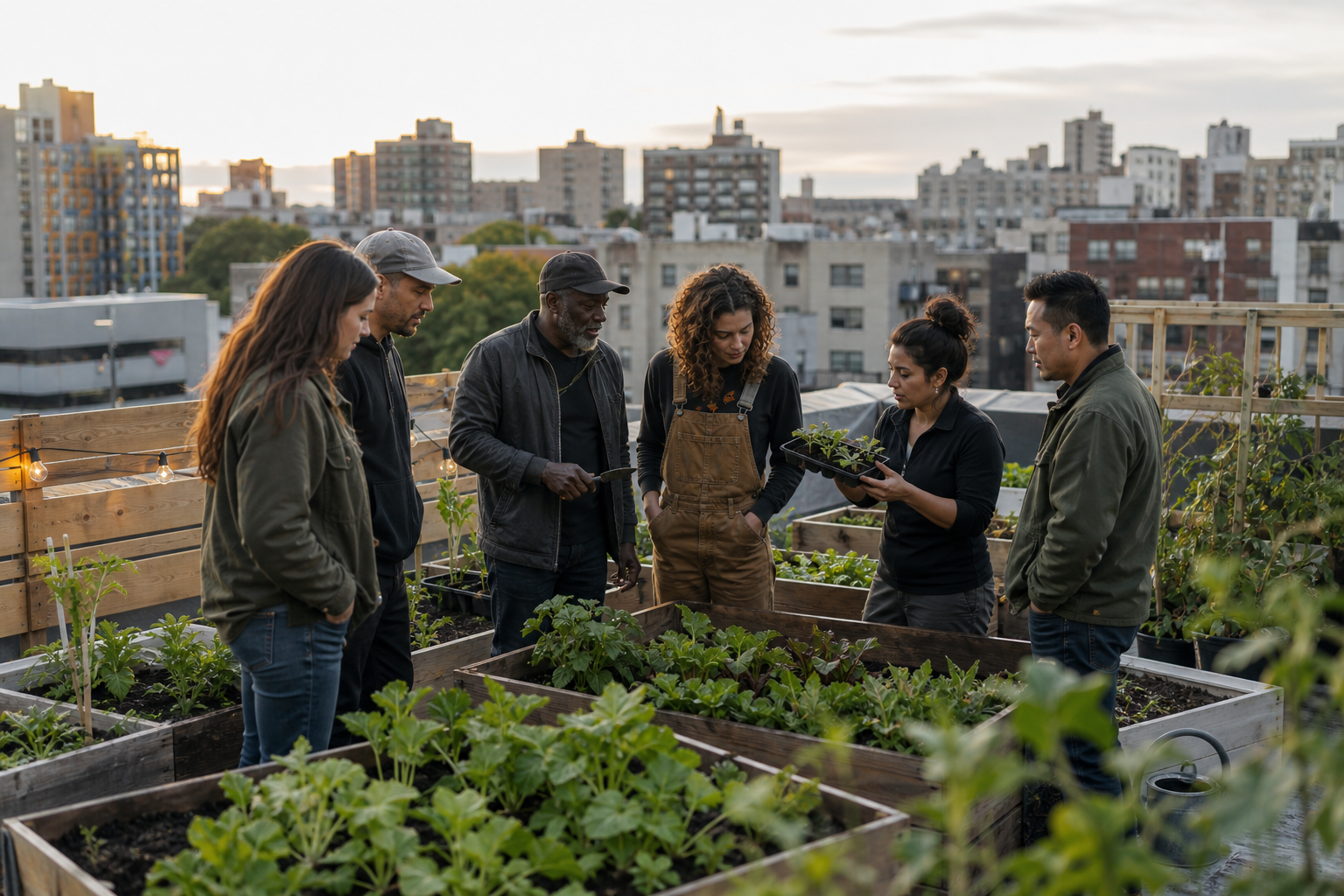
Many small gardens can behave like one supplier when harvests, availability, and fulfillment are coordinated centrally.
Buyers can support produce grown closer to their neighborhoods instead of depending only on long-distance routes.
The buyer experience should move toward predictable orders, harvest windows, delivery planning, and clear communication.
Buyer proposition
The platform should absorb the operational complexity: site inspections, crop planning, harvest aggregation, availability, fulfillment, and traceability. Buyers get a clearer supply experience while the grower network remains coordinated.
Step 01
Buyers start with the marketplace to understand live and upcoming supply from the Urban Farming network.
Step 02
The page directs buyers to create a buyer account so demand can be linked to harvest planning and future supply.
Step 03
The network turns small garden outputs into a clearer buyer experience with order visibility and supply traceability.
Step 04
Buyer demand helps justify more gardens, better planning, and stronger suburb-level food hubs over time.
Who this is for
Not every buyer needs the same buying workflow. A household may want seasonal local boxes, while a restaurant needs reliable weekly volume and a retailer needs planned availability. The dedicated buyer page explains the model before sending people into account creation or the marketplace.
Buy fresher local produce and support gardens close to home.
Source seasonal local produce with clearer planning and traceability.
Use aggregated supply for shelves, boxes, or community food access.
The buyer page positions Urban Farming as a local supply network, not just a garden hobby platform.
Every serious buyer workflow depends on knowing which spaces can reliably grow what the network promises.
As local demand grows, suburbs have stronger incentives to participate and unlock community food benefits.
Start buying locally
This page now gives buyers a proper destination before signup, while the dashboard remains reserved for authenticated buyer accounts.